From Learning to Practice: My Journey as a Creative Climate Fellow
%20Pham_Fellowscohort1.png)


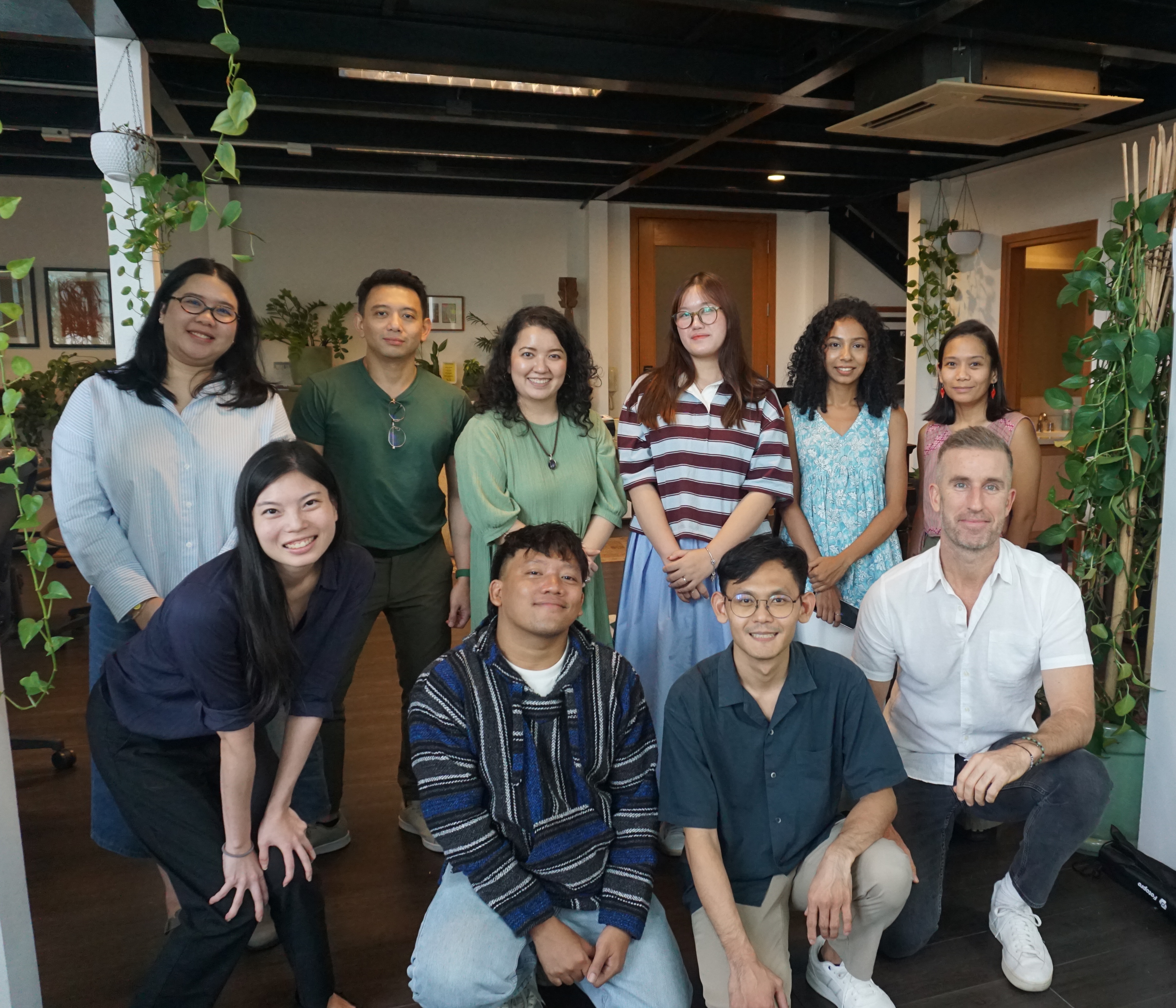
Entering the Fellowship with Curiosity
When I joined the Creative Climate Fellowship, I was excited but also unsure. I had studied communication and worked in marketing before, but climate communication felt different. I kept asking myself: How do we talk about climate issues without making people feel burned out or helpless? How can stories encourage real action?
Through my placement with Love Frankie and Cuttlefish Digital, I started answering these questions through hands-on work, grounded in a strong theoretical base.
Learning Climate Communication by Doing
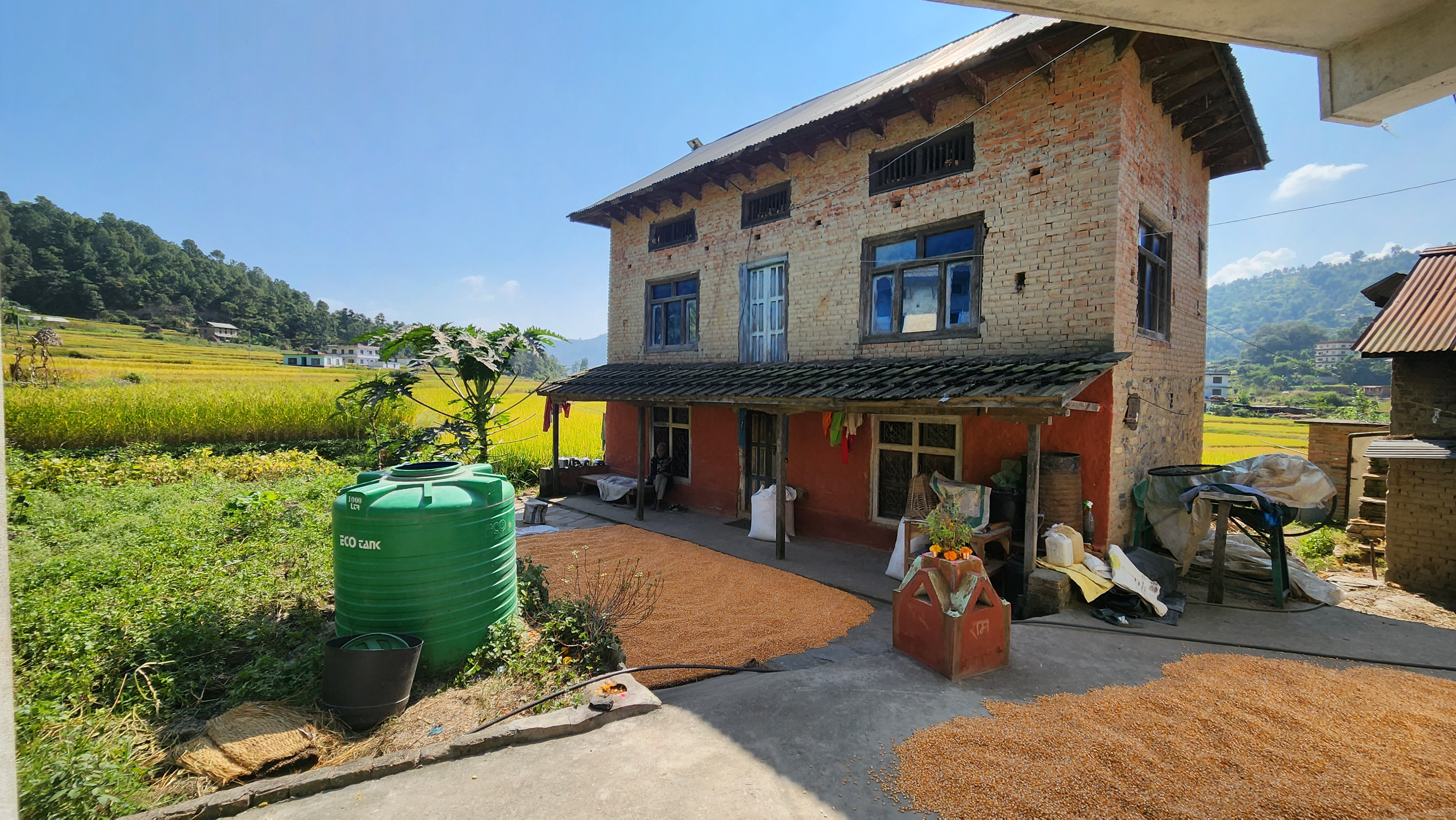
One of the biggest strengths of the Fellowship was the opportunity to learn through project-based practice. Instead of only talking about climate communication, I was able to see it in action.
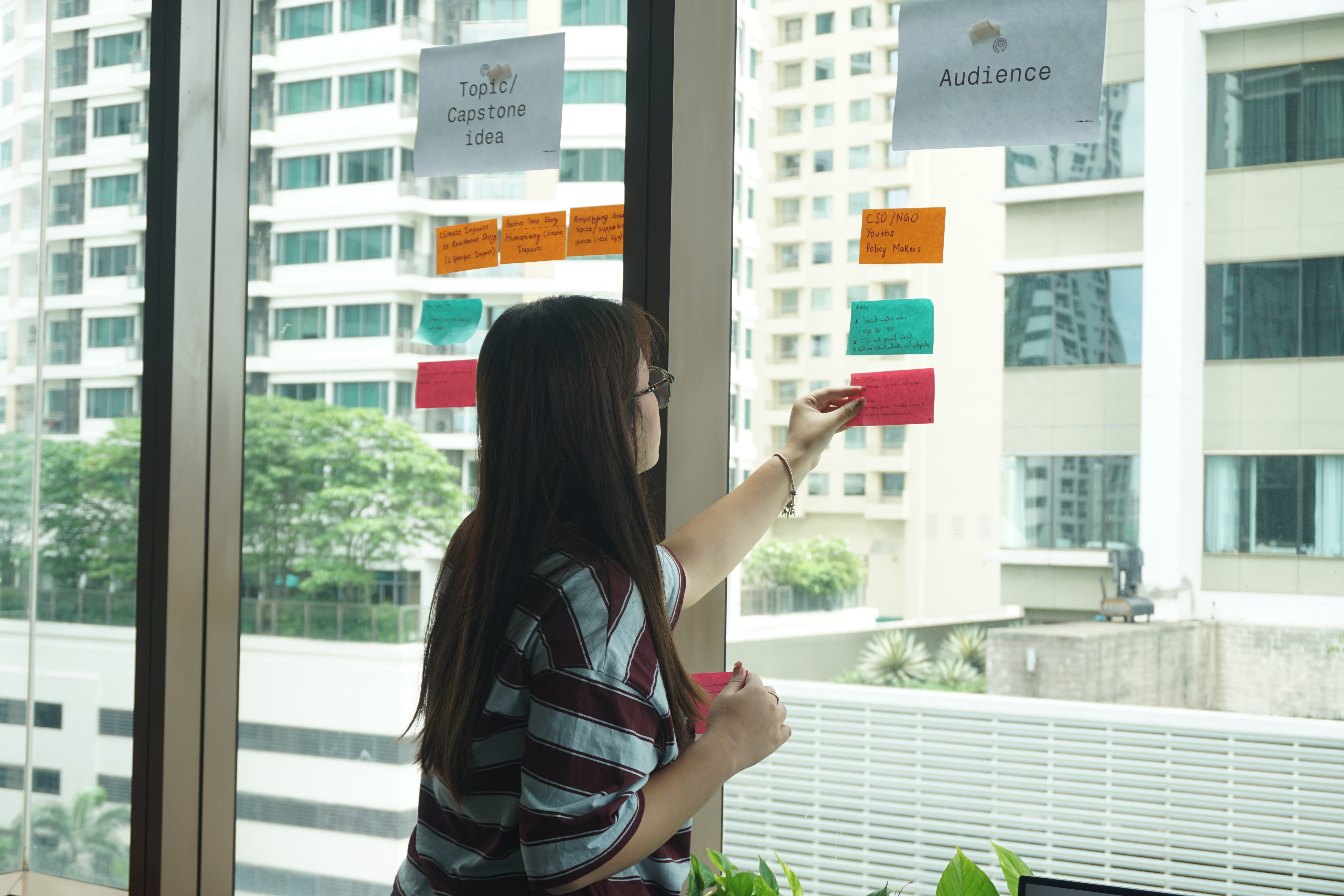
At Love Frankie and Cuttlefish Digital, I learned that climate communication is more than creating content. Effective climate communication starts with understanding people, what they care about, what stops them from taking action, and how they receive information. Every message needs a clear purpose.
I learned to think carefully about questions like:
- Who are we talking to?
- What behavior do we want to change?
- How can we make the message clear and easy to connect with?
These questions guided every step of my work.
Challenges That Changed My Perspective
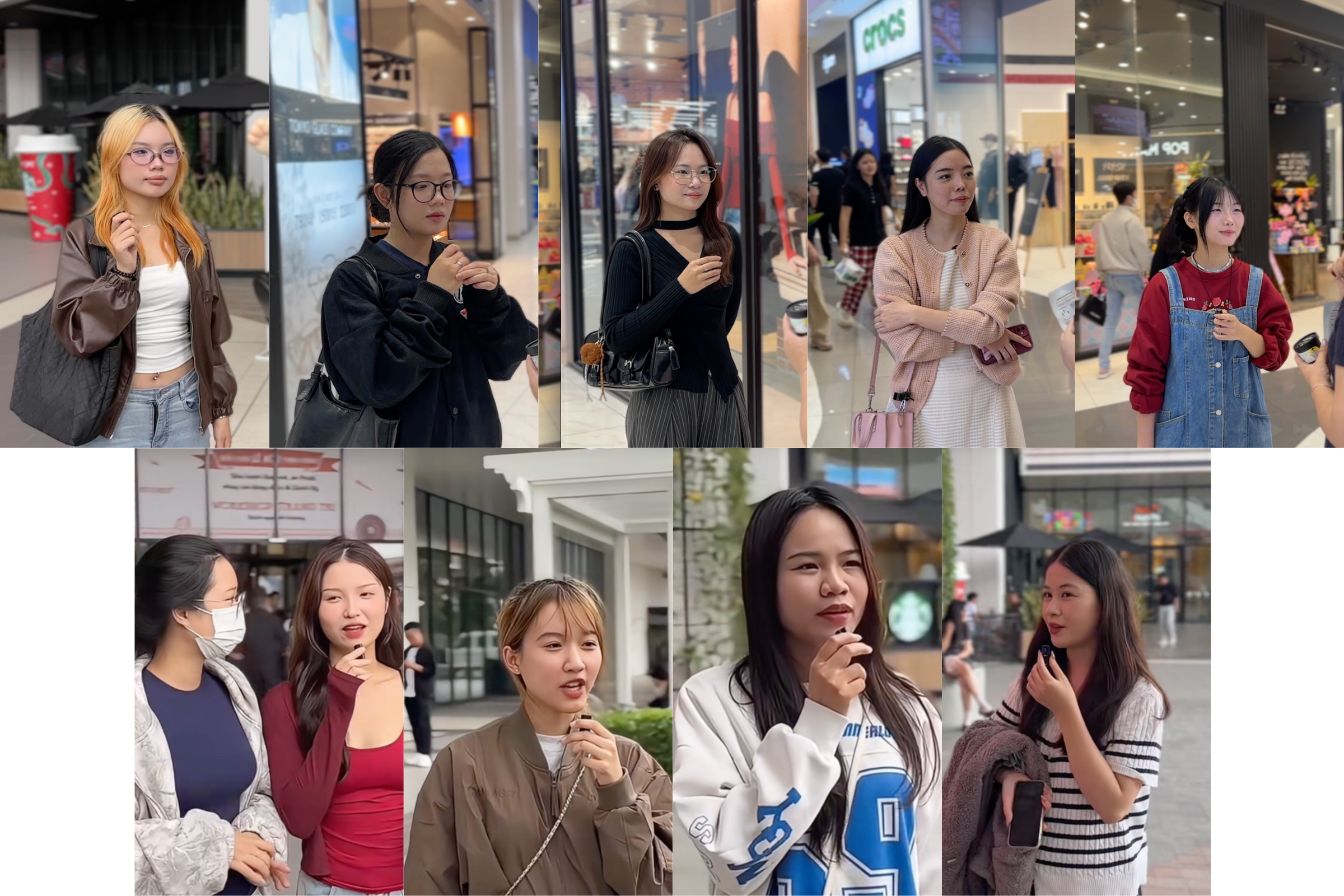
Climate issues are complex, and I felt that strongly during my capstone project on changing behavior surrounding sheet masks. At the beginning, I saw the sheet mask problem mainly through an impact lens – plastic waste, overconsumption, and environmental costs. But when I started making videos for my TikTok channel, this approach did not work and I quickly felt lost.
I did not know what to focus on or how much information to include. I worried about explaining too little, but I also feared overwhelming people. At times, I was more focused on “getting the message right” than on whether the message felt meaningful to viewers. Perhaps as a result, the early videos had very few views.
Through feedback and reflection, I realized that the challenge was not simplifying the issue, it was finding the right point of view. Sheet masks are something many people use without thinking twice. I shifted my approach from telling people why using sheet masks is wrong to showing how I, myself, was part of the problem.
By sharing unused products, forgotten purchases, and my own habits, the issue became more relatable. It was no longer an abstract environmental problem. It became something close to daily life. This helped me understand that people are more open to change when they see themselves in the story, not when they feel judged.

This challenge taught me that good climate communication does not need to be perfect. It needs to be honest, thoughtful, and responsible. Most importantly, it taught me to slow down, listen deeply, and design messages that help people imagine their own role in addressing the climate crisis.
Personal Growth Beyond Skills
Going through these challenges changed me in ways that went beyond technical skills. While I did learn campaign planning, storytelling, and digital analysis, the biggest change was how I see myself as a communicator.
Working through uncertainty–low view counts, unclear direction, and constant adjustments–taught me to trust my own judgment more. I became more comfortable testing ideas, learning from mistakes, and listening to feedback without losing confidence. Instead of aiming to be “right,” I focused on being clear, honest, and open to learning.
This shift helped me grow not just as a campaigner, but as someone who communicates with care.
What I Take Forward
I leave the Creative Climate Fellowship with a clearer sense of purpose. I now understand climate communication as a way to meet people where they are, start from everyday behavior, and make change feel possible rather than overwhelming.
This journey showed me that strategic climate communication is not only about sharing information. It is about people: building trust, encouraging reflection, and helping people see that their individual choices are a part of a bigger picture. That is the approach I will carry forward in my work, guided by curiosity and by my responsibility as storyteller.