Learning to Start Before “Perfect”: My Creative Climate Fellowship Journey

“We adjust to the impacts of climate change because this land is still our life.”
A farmer shared this with me during my capstone project, and his words would come to reflect much of my learning journey during the Creative Climate Fellowship.
I came into the Creative Climate Fellowship with a lot of questions. I had worked on climate issues before, through research, policy analysis, and advocacy, but I often felt caught between two worlds. On one side were reports, frameworks, and urgent news. On the other were people’s lived realities, emotions, and quiet resilience. I wanted to understand how to bridge that gap. How do we talk about climate change in a way that doesn’t overwhelm, but instead connects?
A Shift in Perspective:
The Fellowship didn’t just give me tools, it reshaped how I listen, observe, and tell stories.
One of my biggest takeaways was realizing that effective climate communication is not about being the loudest voice in the room, but the most honest and intentional one. Through masterclasses, creative exercises, and hands-on learning, I began to understand how digital campaigning and storytelling actually work in practice, how audiences engage, where attention lives, and why clarity matters more than complexity.
One masterclass that especially stayed with me was led by Julien Vincent (Relentless Campaigns), which focused on power and its dynamic components in climate campaigns. It pushed me to think beyond messaging and visuals and ask deeper questions: Who holds power? Who is being spoken for, and who is being left out? How do narratives reinforce or challenge existing structures? That session shifted how I think about climate storytelling not just as communication, but as an intervention within systems of power.
The Immersion Experience:
My immersion experience working with Love Frankie and Cuttlefish Digital added another layer to my learning. Working with two different organizations, teams, and creative cultures gave me a more well-rounded understanding of how climate communication functions in real-world settings. It exposed me to different approaches, people, collaboration and problem-solving, and reinforced the idea that campaigns are shaped not just by ideas, but also by people, processes, and constraints.
Working across these spaces taught me flexibility, how to adapt my voice without losing it, how to collaborate across perspectives, and how to think strategically while staying grounded in values. It showed me that there is no single “right” way to do climate work– only ways that are thoughtful, contextual, and responsive.
Letting Go of Perfect
Alongside this, I also had to confront something more personal: my tendency to wait until things feel perfect before starting. The Fellowship challenged that instinct. It encouraged me to try, to experiment, and to begin even when the outcome wasn’t fully clear. I learned that starting somewhere imperfectly is often more powerful than waiting for the ideal moment.
Letting go of perfection also meant learning to trust the process. I began to see uncertainty not as a weakness, but as an invitation to listen more closely, adapt, and respond with intention. This shift allowed me to focus less on getting everything “right” and more on staying present, curious, and open to what emerged along the way.
Capstone Journey:
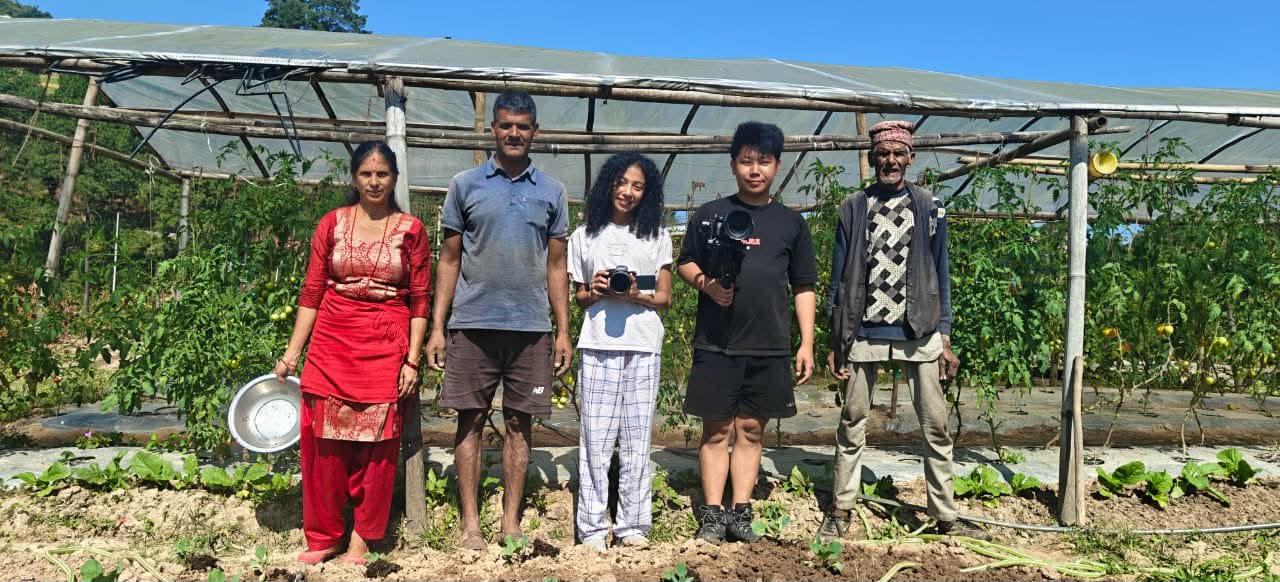
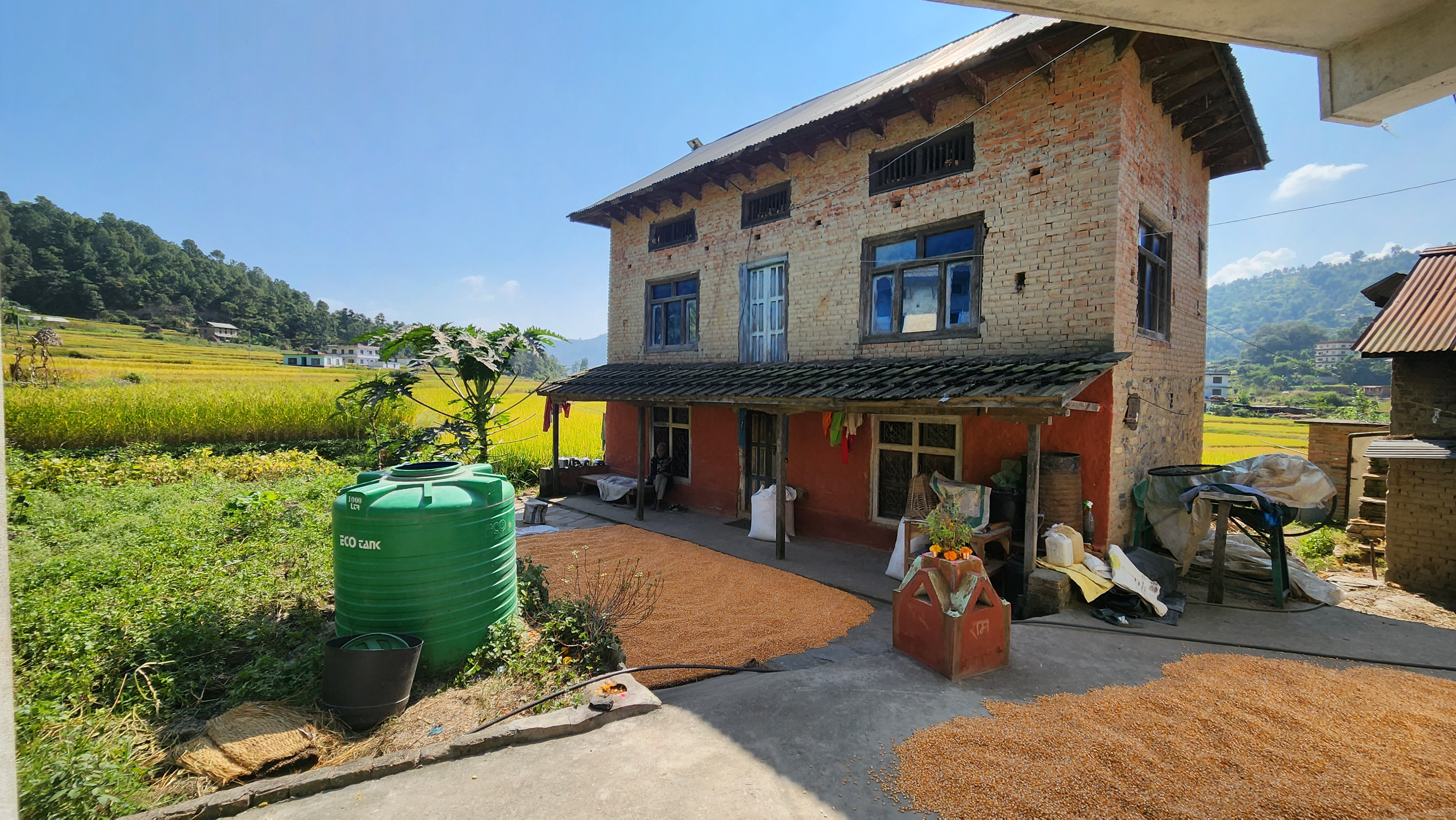
The same mindset helped me shape my capstone project: a short climate documentary filmed in Kavre–Kavrepalanchowk, Nepal. The project started with a simple but personal question: Where are the positive climate stories?
In a media landscape dominated by loss and disaster, I felt hungry for stories of quiet resilience.
In Kavre’s hills, I found farmers adapting to unpredictable rainfall, water stress, and changing seasons not through grand interventions, but through everyday decisions, local knowledge, and persistence.
The process was far from easy. Translating lived experiences into a visual narrative required trust, patience, and constant self-questioning. I had to let go of the idea of making something flawless and instead focus on making something honest. I unlearned the urge to “explain everything,”learned to let moments breathe, and let people speak for themselves.
One line shared by a farmer during filming stayed with me:
“We don’t wait for things to go back to how they were. We adjust because this land is still our life.”
That sentence reshaped the entire film. It reminded me that adaptation is not always visible or dramatic; it often happens with little fanfare, through survival and continuity rather than dramatic change.
What I take with me:
Since the beginning of the Fellowship, I’ve changed in ways that feel both subtle and significant. I’m more comfortable with ambiguity. I’m less afraid of starting before I feel fully ready. I’ve learned that it’s okay not to have all the answers, as long as I ask better questions and stay open to learning.
Most importantly, I’ve grown into my voice as a climate communicator: one that values empathy, local context, and integrity.
This Fellowship taught me that meaningful climate storytelling begins with honesty, not perfection. When we center lived experience and allow ourselves to start before we feel ready, we don’t just inform, we invite people in and that invitation is powerful.
Carrying this lesson forward, I now approach climate communication with greater humility and confidence at the same time. I no longer wait for certainty before beginning. Instead, I start with care, listen closely, and allow stories to unfold as they are. This Fellowship didn’t just shape a project or a skillset, it reshaped how I show up in this work, reminding me that starting imperfectly, with intention and respect, is often how the most impactful stories begin.