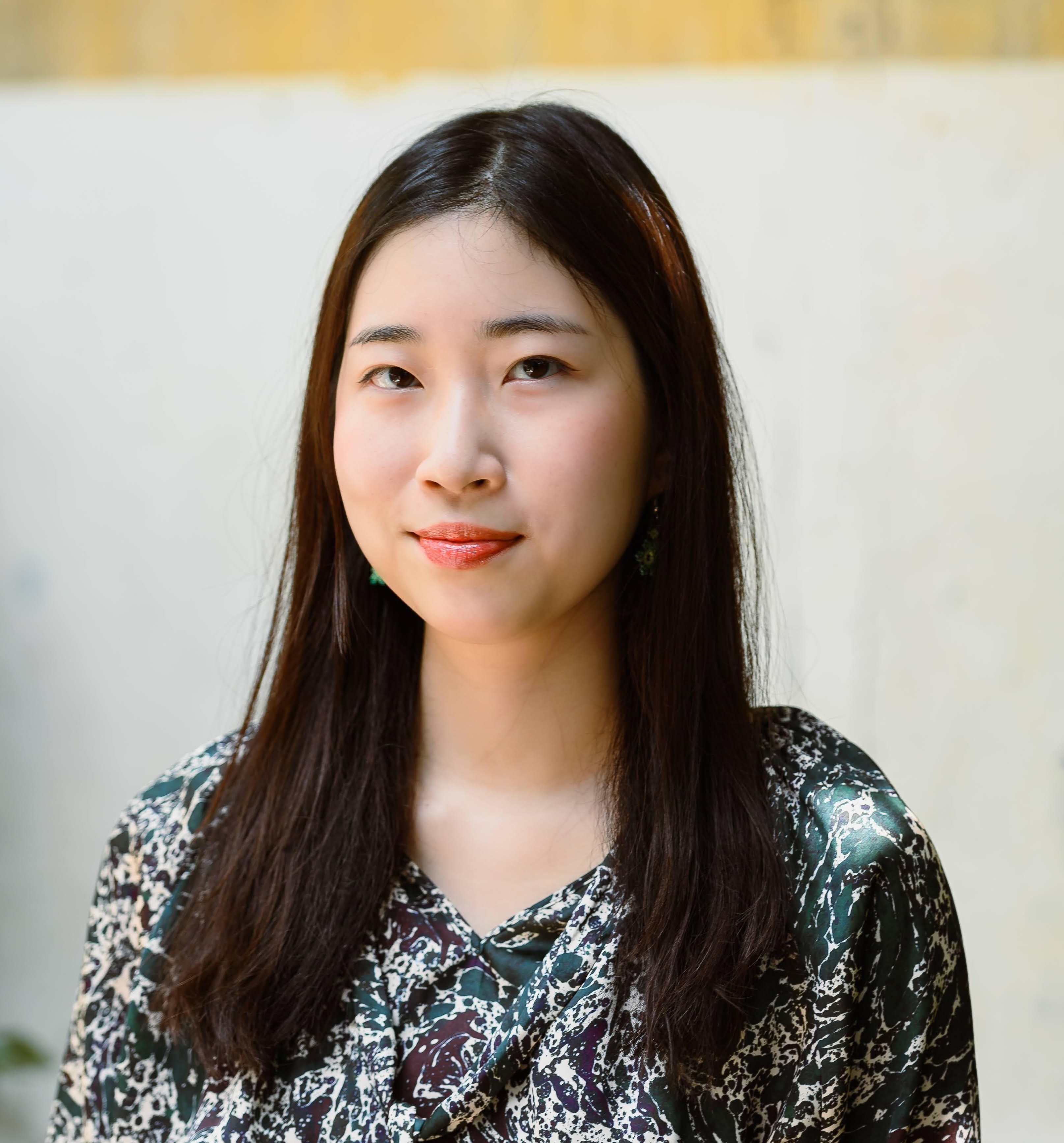
On December 12, at Le Café des Stagiaires in Bangkok, the four Creative Climate Fellows gathered for a group photo at the close of their fellowship showcase.
Moments earlier, they had presented their capstone projects: a documentary following climate education and community resilience in Nepal; a regional campaign examining how climate change is reshaping the Southeast Asian Games; a TikTok channel confronting beauty overconsumption and plastic waste; and a documentary in Bali exploring care, community, and environmental change. The work had only just been launched, some of it days earlier.
Over the course of a year, fellows moved through masterclasses, mentorship, and immersive placements, building skills while working on real projects. By graduation, they were not only launching work into the world, but also leaving with a clearer sense of how they wanted to work within climate storytelling.
After the presentations, the fellows gathered with the Love Frankie and Cuttlefish Digital teams for a facilitated group conversation to reflect on the year.
Instead of focusing on outputs or results, they were asked to consider a different question: what had this year actually changed for them?
If you had to describe your fellowship journey using one metaphor, what would it be, and why?
Ekky described a cocoon. Not a polished transformation, but a space where ideas could exist without needing to be perfect. The fellowship, he said, gave him permission to move work forward instead of waiting until it felt complete.
"It doesn't have to be perfect. Just do it."
Hannah followed with a marathon. She described periods of intense effort followed by slower stretches where asking for help became necessary. "At first, we're running as fast as possible. But there's some periods where we feel kind of tired. So we just kind of slow down, ask people for help. Then at the end, we're still here. We still finished."
Matt compared the experience to reading a book. Some chapters were engaging, others tiring. Sometimes the story went somewhere unexpected. Still, he kept going. "Sometimes reading a book, it's fun. You're very into it. But sometimes when you're tired, you just put the book down. But still, you know you need to finish that book."
Shrena described stepping outside a box. The fellowship helped her see limits she had placed on herself, and what became possible once she moved beyond them. "When you are inside a box, you have walls, ceilings, limitations. You kind of set that for yourself. Like, I can do this much. But being outside the box, you know you can do more. I realized I had more potential than I thought."
What learning moment changed you the most?
Much of the learning came through adjustment rather than breakthrough. Shrena and Matt both talked about immersion as a test of adaptability. Working with Cuttlefish Digital, they rotated through three different teams, each with different work styles and expectations. "All three teams were so different," Shrena said. "We had to adapt and change ourselves according to the team and the work that was required."
For Matt, the rotations pushed him to lower barriers he had set for himself. "At first I had some kind of barriers that I put very high. I thought some tasks would be difficult or challenging. But later on, I need to try to lower down my barriers and try to learn new things. Because this is an opportunity given to me. I should not let it go."
Hannah said she expected masterclasses to feel academic, but found the most value in sessions grounded in lived experience. "At first, when I first heard about masterclass, I was kind of expecting it to be very heavy in terms of knowledge. But then I feel like we could also learn from their experience, which is very great."
For Ekky, mentorship became a way of recalibrating ambition and learning to focus. "I tend to be an ambitious person. It's good to know that there's guidance to slowing down or to be more focused on things that need to be prioritized. It's okay to be ambitious, but it's also important to be focused."
What skill grew the most for you?
The learning deepened when the work became uncomfortable.
Hannah described struggling through unfamiliar tools like social listening. "I struggled a lot. I even had like three or four hours of meetings with one of the team members to help me do that." At the same time, she was filming herself for TikTok, feeling shy and self-conscious. Over time, repetition shifted her focus away from appearance and toward message. "At first I was very shy. I don't want people to see my face. But after doing it again and again, I kind of realized that people don't really care how I look. The content is more important."
Shrena realized her video-making skills could extend beyond personal social media into more intentional storytelling. "Before, I used to feel like my video making skills would be very limited to just social media, like personal social media. But I've realized that I can do more."
She also gained confidence in speaking. "Before, I used to stop a lot, pause a lot. But now when I go there and I see people, I'm like, okay, I can do it, and I do it."
Matt balanced learning new tools with developing soft skills like communication and responsibility. Ekky learned to approach storytelling from a human perspective, focusing on the people affected by climate issues rather than abstract concepts.
When did your capstone project become more than an assignment?
Each capstone eventually reached a point where it no longer felt like an assignment.
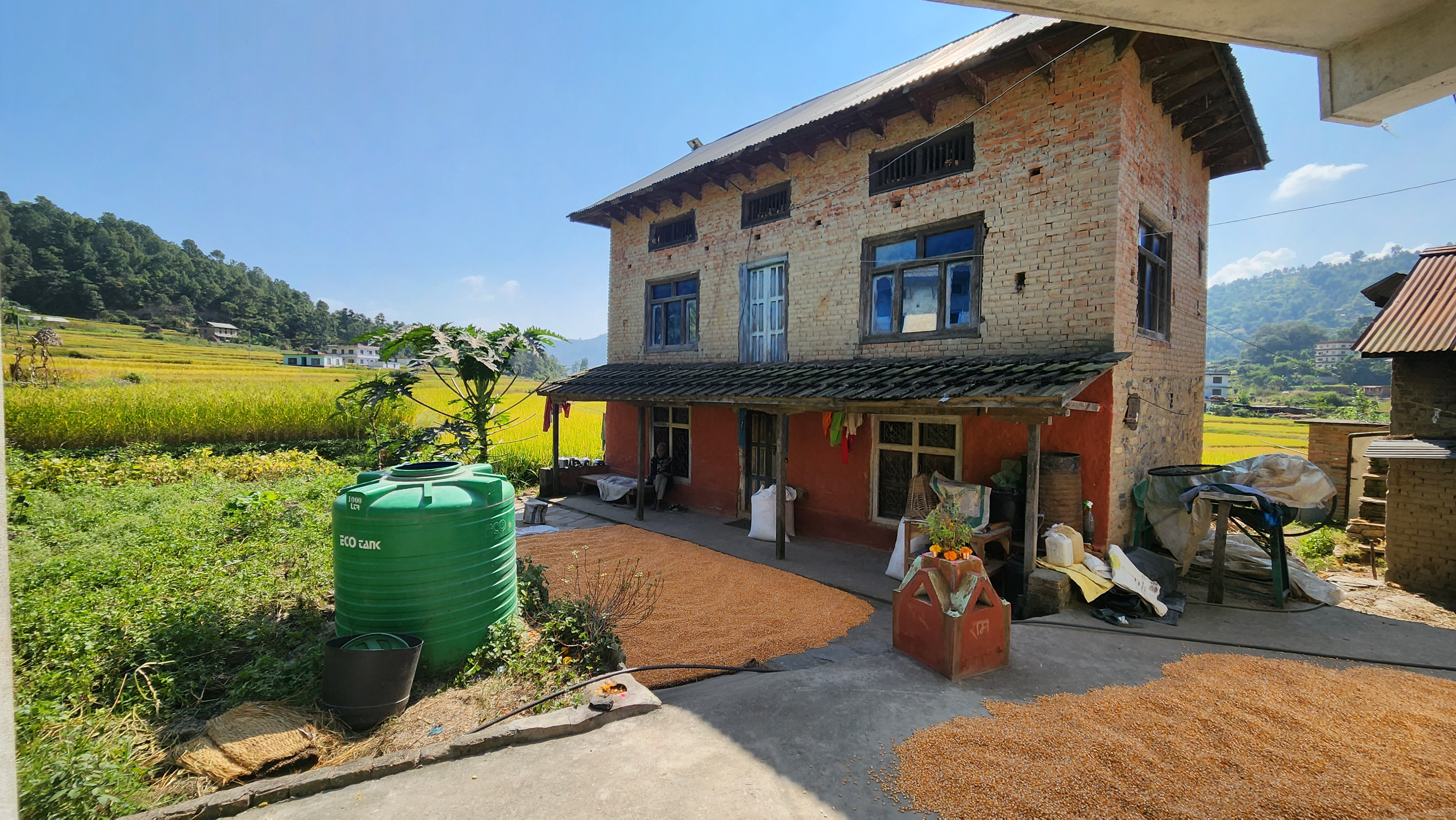
For Shrena, that moment came during filming in Nepal. "When I was there shooting, they insisted, 'you should eat with us.' They welcomed me into their home. That's when it became much more than an assignment."
For Hannah, the impact became visible when friends began texting her. 'Oh hey Hannah, I saw your video,' they'd write, acknowledging her influence when they chose wash-off masks over sheet masks.
Matt found meaning through experimentation, testing ways to communicate climate issues around the Southeast Asian Games without relying only on negative framing.
Ekky reflected on meeting families and farmers for his documentary in Bali, and questioning what kind of work felt worth pursuing. "I was afraid to be judged by something that we developed. But that's the essence of the mentorship, they have to give us input about things that we do."
How do you feel right now, as this fellowship ends?
Hannah said sadness.
Ekky said growth.
Shrena said fulfilled.
Matt said thankful.
Taken together, the conversation reflected a year defined less by reaching definitive conclusions than by how the fellows learned to work with uncertainty, with other people, and with themselves.
Check out the capstone projects at:
Hannah- https://www.tiktok.com/@emduatietkiem
Shrena- Kavre Ko Katha : Story of Climate Resilience from Nepal | A short documentary by Shrena Upadhyay
Matt- https://no-seagames.org